


The Beauty of Flourishing Together

“Therefore encourage one another and build each other up,
just as in fact you are doing.”
— 1 Thessalonians 5:11 (NIV)
One of the beautiful surprises of living in another culture is discovering that community can be built in unexpected ways. We learn to appreciate different traditions, celebrate unfamiliar holidays, and find joy in the everyday rhythms of life around us. We begin to realize that belonging doesn't require us to be the same. Sometimes, it grows as we work alongside one another, share what we have, and learn from each other.

For our family, living in Guatemala has been a journey of learning—not just about a different culture, but about what it truly means to serve.
It's easy, especially when we come from a more privileged part of the world, to see a need and immediately want to fix it. We bring the resources, provide the answers, and do the work for those who need help. Our intentions may be good, but sometimes, in our eagerness to help, we unintentionally communicate that we have the answers and others do not.
Working with Holistic Hope, we believe there is a better way.
Our goal isn't to do things for communities, but to come alongside them, equipping people with the knowledge, confidence, and resources to make lasting changes for themselves, their families, and their neighbors.

What might that look like? It could mean teaching a mother about nutrition and preventative health so she can make informed decisions for her family. It could mean training community members in CPR and first aid so they feel prepared to respond when an emergency happens. It could mean helping families learn to grow medicinal plants, encouraging women to support one another, or creating safe spaces where people can learn about their physical, emotional, and spiritual well-being.
These may seem like small things, but knowledge has a way of multiplying. When one person learns something new, they can share it with a friend, a child, a neighbor, or an entire community. The impact continues long after a class ends or a volunteer goes home.
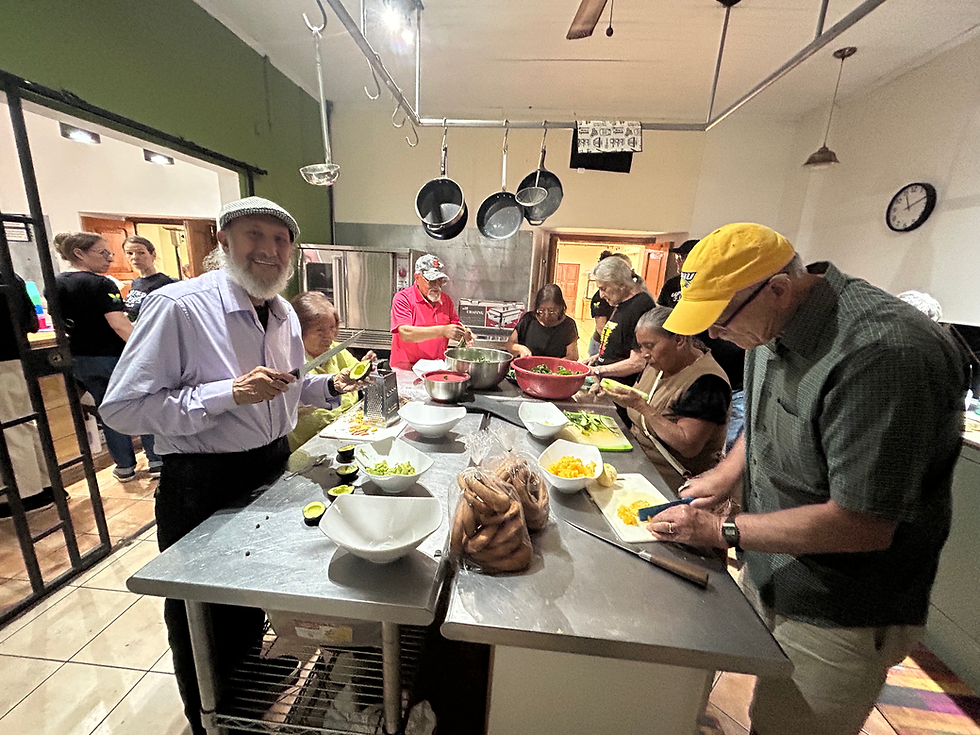
And this is where the beauty of community comes in. We aren't simply bringing knowledge to people; we are building relationships in which we can learn from one another. We can celebrate traditions that are different from our own, share meals and stories, work toward common goals, and discover how much we have in common. We can recognize the gifts, wisdom, and resilience that already exist within a ommunity and help create opportunities for those gifts to flourish.

Jesus demonstrated this kind of love throughout His ministry. He saw people not as problems to be solved, but as individuals worthy of dignity, compassion, and relationship. As His followers, we want our service to reflect that same heart—not creating dependence, but encouraging people to recognize their God-given worth and potential.
We know we cannot prevent every illness, every emergency, every experience of loneliness or abuse. But we can help people develop the knowledge, skills, relationships, and support systems that may prevent some of these hardships, reduce their impact, and help people respond when they occur. We can invest in people today in ways that strengthen families and communities for generations to come.
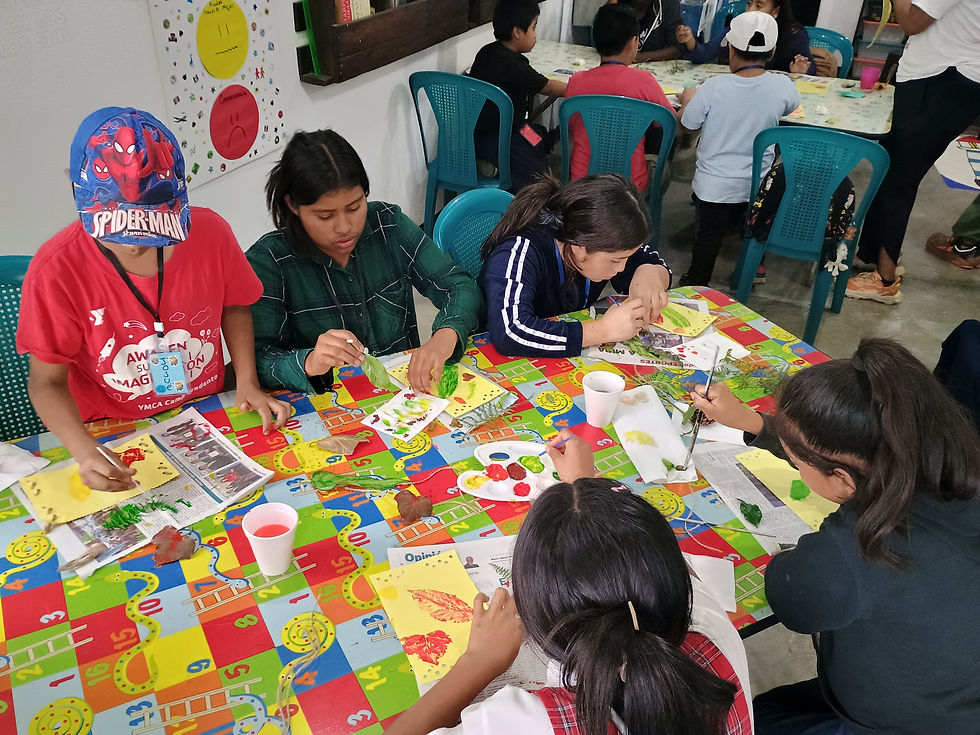
This is the heart of Holistic Hope. We want to see people flourish physically, mentally, emotionally, and spiritually—not because we have come to rescue them, but because we have had the privilege of walking alongside them as they discover what is possible.
As we continue this work in Guatemala, we are grateful for everyone who walks alongside us, too. Your prayers, encouragement, and financial support help make these relationships, educational opportunities, and community programs possible.
You don't have to move to another country to be part of this kind of change. Wherever God has placed you, there are people to learn from, relationships to build, and opportunities to serve. Perhaps the invitation is simply to step outside your familiar routines, listen before offering answers, and discover how God might work through you—and through the people you meet.
Together, we can be His hands and feet, not by doing everything for others, but by loving them well, sharing what we have, and helping create opportunities for everyone to flourish.


Comments